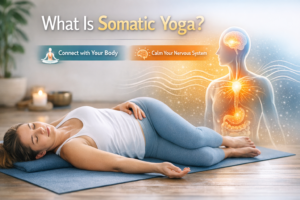

As holistic wellness and mind–body practices continue to grow, many aspiring practitioners find themselves choosing between somatic certification and breathwork certification. Both paths focus on healing through the body rather than talk alone — yet they differ in approach, scope, and career outcomes. If you’re wondering which training aligns best with your goals, this guide breaks down what each certification involves, how they differ, and who each is best suited for. Somatic certification focuses on the body–mind connection, teaching practitioners to work with physical sensations, movement, posture, and nervous system responses to support awareness and healing. Rather than analyzing experiences cognitively, somatic work helps individuals feel and process experiences through the body. The approach is grounded in the understanding that emotions, stress, and trauma are often stored in physical patterns.
Most somatic certification programs include:
- Body awareness and interoception
- Nervous system regulation
- Movement and embodiment practices
- Somatic inquiry and coaching skills
- Trauma-informed and consent-based approachesSomatic training is often broad and integrative, offering multiple tools to support clients across emotional, mental, and physical layers.
What Is a Breathwork Certification?
Breathwork certification trains you to guide individuals or groups through conscious breathing techniques designed to influence the nervous system, emotional state, and awareness. Breathwork works directly with breathing patterns to create shifts in stress levels, emotional release, focus, and internal clarity. Different styles of breathwork exist, ranging from gentle regulation techniques to more activating practices.
A typical breathwork certification covers:
- Anatomy and physiology of breathing
- Conscious and controlled breathing techniques
- Safety and contraindications
- Trauma-sensitive facilitation
- Structuring and guiding breathwork sessions
Breathwork training is usually more specialized, focusing primarily on breath as the main tool for transformation.
Similarities Between the Two
Despite their differences, both certifications share important similarities:
- Emphasis on body-based healing rather than talk alone
- Support for emotional regulation and stress relief
- Growing focus on trauma-informed practice
- Experiential learning through guided practice
- Use in wellness, coaching, yoga, and holistic health spaces
Many practitioners eventually combine both approaches in their work.
Career Paths and Applications
With a Somatic Certification, you may work as:
- Somatic coach or embodiment facilitator
- Wellness or nervous system regulation practitioner
- Trauma-informed coach (non-clinical)
- Integrative mind–body practitioner
Somatic training is ideal if you want versatile skills applicable across coaching, wellness, and long-term client support.
With a Breathwork Certification, you may work as:
- Breathwork facilitator (1:1 or group)
- Workshop or retreat facilitator
- Yoga or wellness professional adding breathwork to services
- Stress-management or emotional release practitioner
Breathwork certification suits those who want a clear, focused modality they can begin facilitating relatively quickly.
Which Certification Should You Choose?
Ask yourself the following questions:
Do you want depth or specialization?
- Choose somatic certification if you want a broad, integrative skill set
- Choose breathwork certification if you want to specialize in one powerful tool
How do you want to work with clients?
- Ongoing coaching and embodiment work → Somatic
- Sessions, workshops, and group experiences → Breathwork
What is your background?
- Coaches, therapists, and wellness practitioners often benefit from somatic training
- Yoga teachers, facilitators, and retreat leaders often prefer breathwork training
How intense do you want the training to be?
- Somatic programs are often longer and more immersive
- Breathwork certifications range from short intensives to multi-month programs
Can You Do Both?
Yes — and many practitioners eventually do.
Some people start with breathwork certification and later deepen their work through somatic training. Others begin with somatics and add breathwork as a complementary skill.
The best choice depends on where you are now and how you want to serve others.
Final Thoughts
There’s no universally “better” option — only the one that fits your intentions.
- Choose somatic certification if you want a holistic, body-mind approach with long-term client applications.
- Choose breathwork certification if you want a focused, experiential modality centered on conscious breathing.
Both paths can lead to meaningful, impactful work when chosen with clarity and commitment.