
What is Conscious Movement ?
We hear the word movement, we often think of exercise or training. We imagine a gym, sweat, or routines designed to push the body harder. Conscious Movement begins somewhere very different. It is not about reaching a number or perfecting a posture. It is about listening so deeply that every breath, every shift, every step becomes a mirror of our inner state.
Conscious Movement is a way of remembering that the body is not a machine we control but a living temple of awareness. It is where movement turns into meditation, where stillness can be found inside action, and where the body becomes not just something we live in but something that teaches us.
Conscious Movement is the practice of moving with full presence. It is the art of bringing breath, sensation, intention, and awareness together into one flow.This is not a practice of shapes or performance. It is a practice of honesty. When you close your eyes and let the spine roll like a wave, when you breathe into the space beneath the ribs and follow the subtle expansion, when you allow your weight to meet the ground with trust, you begin to discover that movement is not separate from consciousness.
Its roots lie in many traditions. Somatics, mindfulness, contemporary movement, yoga, martial arts, and meditation all whisper through it. Yet Conscious Movement is not limited to any form. It is born from the raw truth of the moment. It asks us to be courageous enough to feel what is there and let the body express it.
Principles of Conscious Movement
- Every conscious movement is shaped by principles that bring depth to practice:
- Breath as the guide. Breath leads. The body follows. This keeps the practice alive rather than mechanical.
- Sensation as the compass. Instead of forcing range or speed, we listen to sensation. Comfort and discomfort both speak.
- Intention in action. Every gesture has a reason, even if that reason is simply curiosity.
- Awareness of the nervous system. Knowing when you are activated, when you are calm, and when you are in flow changes the way you move.
- Emotional presence. Movement gives emotions a safe channel to be expressed, released, or transformed.
- Integration. Practice does not stay in the studio. It shows up in how you walk, speak, and relate.
- Gentleness and progression. Depth comes from safety and consistency, not from pushing beyond what the body can hold.
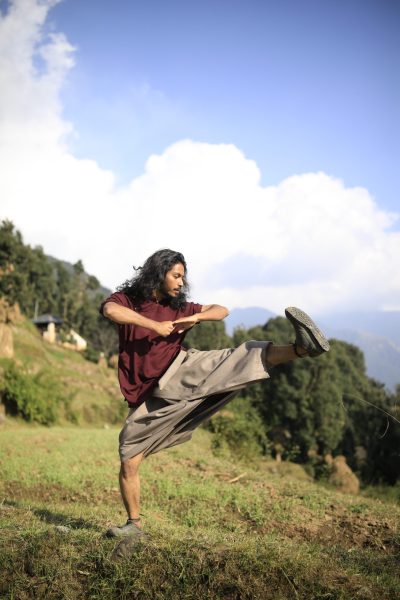
What Conscious Movement Feels Like?
To describe this practice only with words is incomplete, but it can be felt in simple ways:
- The inhale expands the chest and the exhale softens the jaw.
- Muscles organize themselves around ease instead of bracing.
- Thoughts slow down as awareness grows wider
- Emotions rise and fall without suppression. Sometimes tears arrive. Sometimes laughter. Both are welcome.
- Movement feels less like doing and more like being moved by something deeper.
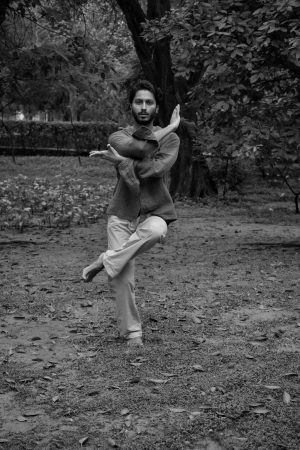
Benefits of Conscious Movement
1.This work is not only poetic. It has real effects on body, mind, and energy:
2. Regulates the nervous system. You learn to notice when stress is building and how to shift toward balance.
3.Releases stored patterns. Old trauma and held tension begin to unwind through safe, repeated signals of safety.
4.Improves mobility and functional strength. The body grows resilient without harsh strain.
5.Sharpened focus and creativity. When presence increases, ideas and inspiration flow more naturally.
6.Resilience in relationships. When you can stay with sensation, you can stay present in conversations and conflict.
7.Spiritual connection. Stillness emerges in movement. The body becomes a gateway to the sacred.
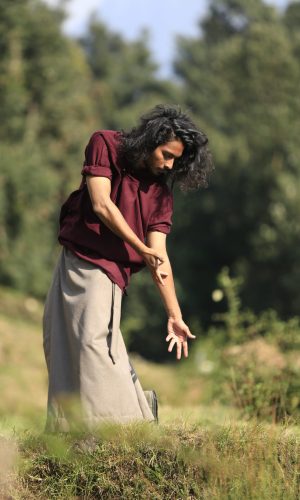
Conscious Movement and Regular Exercise
Both exercise and Conscious Movement have value, but they are not the same.
Exercise focuses on results. Conscious Movement focuses on process.
Exercise measures progress with numbers. Conscious Movement measures with presence.
Exercise often pushes through pain. Conscious Movement listens to pain as information.
Exercise strengthens performance. Conscious Movement strengthens authenticity.
You can still run, lift, or train. Conscious Movement simply shifts the way you relate to effort.
Simple Practices to Begin
1. Body scan
Stand still. Notice feet, pelvis, ribs, jaw, and eyes. Breathe into what you feel.
2. Breath-led sway
Allow your body to sway with the rhythm of breath. Inhale to expand. Exhale to soften.
3. Spinal wave
Begin at the tailbone and let a wave travel slowly to the crown of the head. Let it be small.
4. Ground contact
Press your hands into the wall or floor gently. Notice the rebound energy moving through your body.
5. Free exploration
Pick one quality, such as curiosity, tenderness, or strength. Let that quality move your body in any way it wishes.
6. Closing pause
Stop. Notice your breath, your pulse, your inner state. Name your experience in one word.
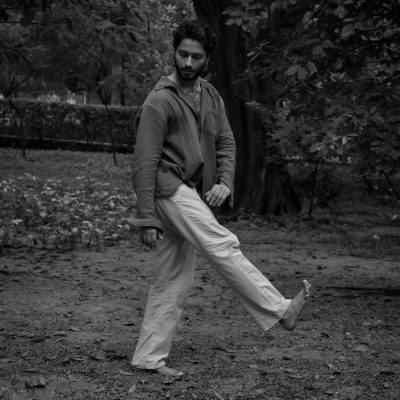
Conscious Movement in Daily Life
1.Conscious Movement does not live only in practice sessions. It follows you everywhere.
2.Walking with awareness of steps and breath.
3.Softening shoulders before speaking a difficult truth.
4.Three deep breaths before starting a meeting or class.
5.Rolling gently on the floor before sleep to clear tension.
“Everyday life becomes training ground. Each gesture is an opportunity to embody awareness.”
Teacher Training and the Deeper Journey
In the beginning, this practice feels like personal healing. Over time, it becomes a way of life. You notice the way you listen, the way you speak, and the way you hold space for others all begin to change.
For some, this path becomes a calling. Conscious Movement Teacher Training Courses exist for those who want to dive into somatic anatomy, nervous system mapping, facilitation skills, and the balance of masculine and feminine energy. It is less about choreography and more about learning to hold safe, transformative spaces.